








If you’ve searched for “donate plasma near me,” you’re likely looking for a nearby plasma donation center, wondering if you’re eligible, or interested in earning extra money while helping others. Plasma donation has become increasingly popular because it supports the production of life-saving medicines used to treat patients with immune disorders, bleeding conditions, burns, and other serious illnesses.
Whether you’re a first-time donor or someone considering returning, this guide covers everything you need to know. You’ll learn how plasma donation works, who can donate, what to expect during your appointment, potential earnings, safety considerations, and tips for finding the best donation center near you.
What Is Plasma?
Plasma is the straw-colored liquid portion of your blood. It makes up approximately 55% of your blood volume and performs several important functions, including:
- Carrying nutrients throughout the body
- Transporting hormones
- Supporting your immune system
- Helping blood clot properly
- Maintaining blood pressure and circulation
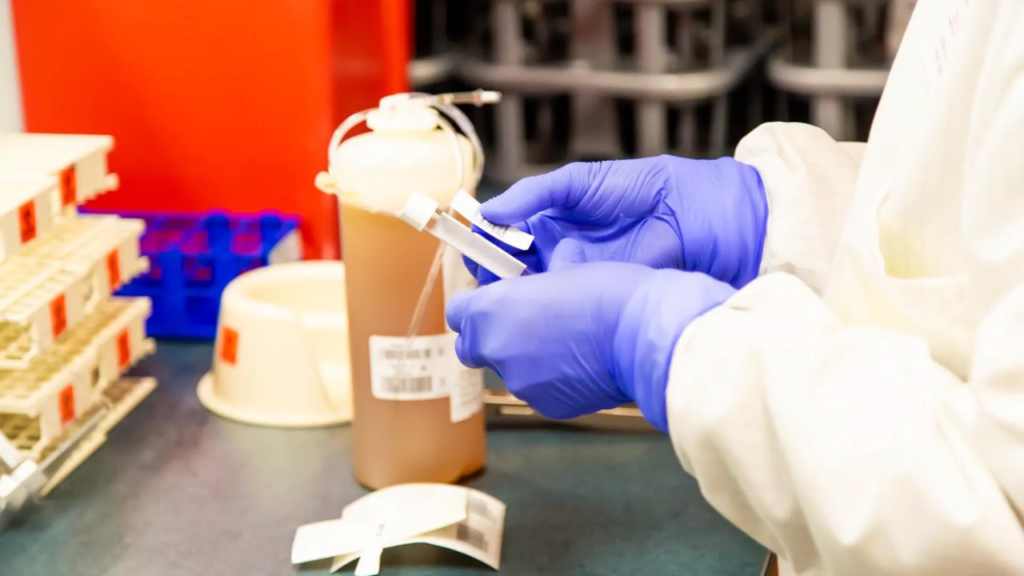
Unlike whole blood donation, plasma donation separates plasma from other blood components, returning your red blood cells and platelets back to your body.
Why Plasma Donation Matters
Millions of patients rely on plasma-derived therapies every year. These treatments help individuals living with rare and chronic diseases that often have no alternative treatment.
Plasma donations are commonly used for:
- Immune deficiency disorders
- Hemophilia
- Burn treatment
- Liver disease
- Trauma patients
- Certain neurological conditions
- Autoimmune disorders
Every donation can make a meaningful difference in someone’s life.
How to Find “Donate Plasma Near Me”
Finding a nearby plasma donation center is easier than ever. Most major providers have online location finders that allow you to search by ZIP code or city.
When choosing a donation center, consider:
- Distance from your home
- Operating hours
- Appointment availability
- Compensation programs
- Cleanliness and professionalism
- Customer reviews
- Wait times
- Staff experience
Many centers also offer online scheduling, making it convenient to book your visit.
Major Plasma Donation Centers
Here are some of the most well-known plasma donation organizations.
| Plasma Center | Services Offered | Appointment Required | Compensation Available |
|---|---|---|---|
| CSL Plasma | Plasma donation | Recommended | Yes |
| BioLife Plasma Services | Plasma donation | Yes | Yes |
| Grifols Plasma | Plasma collection | Usually | Yes |
| Octapharma Plasma | Plasma donation | Walk-ins at some locations | Yes |
| Kedplasma | Plasma donation | Varies | Yes |
Availability varies depending on your location.
Who Can Donate Plasma?
Eligibility requirements may differ slightly between centers, but most donors must meet basic criteria.
Generally, you should:
- Be at least 18 years old
- Meet minimum weight requirements (often 110 pounds or more)
- Be in good general health
- Pass a health screening
- Provide valid identification
- Have a permanent address
- Pass infectious disease testing
Certain medical conditions, medications, or recent travel history may temporarily or permanently affect eligibility.
What Happens During Your First Visit?
Your first appointment usually takes longer because additional paperwork and medical screening are required.
The process typically includes:
Registration
You’ll provide:
- Government-issued ID
- Proof of address
- Social Security number or equivalent identification (where required)
Medical Screening
Staff members check:
- Blood pressure
- Temperature
- Pulse
- Weight
- Hemoglobin or protein levels
You’ll also answer questions about your health history.
Plasma Donation
A sterile needle is inserted into one arm.
The donation machine:
- Draws blood
- Separates plasma
- Returns red blood cells
- Collects plasma in a sterile container
The actual donation usually takes 45–90 minutes.
How Long Does Plasma Donation Take?
Here’s a general timeline.
| Step | Estimated Time |
|---|---|
| Registration | 15–30 minutes |
| Medical Screening | 20–30 minutes |
| Plasma Donation | 45–90 minutes |
| Recovery | 10–15 minutes |
First visits often take around two to three hours.
Future appointments are usually much faster.
How Often Can You Donate Plasma?
Unlike whole blood donation, plasma can often be donated more frequently.
In many countries, donors can donate:
- Up to twice per week
- With at least one day between donations
Always follow your country’s regulations and your donation center’s policies.
Do Plasma Donors Get Paid?
Many plasma donation centers offer compensation for your time and commitment.
Payment amounts vary based on:
- Your location
- Current promotions
- Number of donations
- Body weight
- New donor bonuses
Some centers offer significantly higher compensation for first-time donors.
Payments are typically issued through:
- Prepaid debit cards
- Reloadable payment cards
- Digital payment systems (at some centers)
Compensation policies vary by organization and region.
Is Plasma Donation Safe?
Yes. Plasma donation is generally considered safe when performed at licensed donation centers using sterile, single-use equipment.
Professional staff monitor donors throughout the process.
Common temporary side effects include:
- Mild fatigue
- Light bruising
- Slight dizziness
- Dehydration
- Tenderness at the needle site
Serious complications are rare.

How to Prepare Before Donating Plasma
Preparing properly can make your donation smoother.
Drink Plenty of Water
Hydration helps improve blood flow and makes the donation process easier.
Eat a Healthy Meal
Choose foods rich in:
- Protein
- Iron
- Complex carbohydrates
Avoid skipping meals before donating.
Get Enough Sleep
Being well-rested helps reduce the chance of dizziness.
Wear Comfortable Clothing
Loose sleeves make it easier to access your arm.
Bring Required Documents
Most centers require:
- Valid photo ID
- Proof of residence
- Additional identification if requested
What Should You Eat Before Donating?
Good meal choices include:
- Chicken
- Fish
- Eggs
- Beans
- Brown rice
- Whole-grain bread
- Fresh fruits
- Vegetables
Foods to avoid immediately before donating:
- Fried foods
- High-fat meals
- Excess alcohol
- Heavy fast food
Fatty meals can interfere with plasma quality
What Happens After Donating?
After your donation:
- Drink extra fluids.
- Eat a healthy snack.
- Avoid heavy lifting for several hours.
- Skip strenuous exercise that day.
- Keep the bandage on for the recommended time.
- Continue eating protein-rich foods.
Most people return to normal activities shortly afterward.
Benefits of Donating Plasma
Plasma donation offers benefits beyond financial compensation.
Some advantages include:
- Helping save lives
- Supporting patients with rare diseases
- Receiving regular health screenings
- Learning more about your health
- Earning supplemental income
- Contributing to medical research and treatments
Many regular donors appreciate knowing they’re making a positive impact in their communities.
Tips for a Better Donation Experience
If you’re donating for the first time, these tips can help.
- Stay hydrated the day before.
- Eat protein-rich meals.
- Avoid alcohol before donating.
- Wear short sleeves or loose clothing.
- Relax during the donation.
- Follow staff instructions carefully.
- Bring headphones or a book.
- Schedule your appointment during a less busy time.
Common Reasons Someone May Be Deferred
Sometimes individuals cannot donate temporarily.
Possible reasons include:
- Low iron levels
- Recent tattoos or piercings
- Certain medications
- Recent illness
- Pregnancy
- Low protein levels
- Recent surgery
- Travel to specific countries
Most temporary deferrals have waiting periods before you can return.
Plasma Donation vs Blood Donation
| Feature | Plasma Donation | Blood Donation |
|---|---|---|
| Donation Time | 45–90 minutes | 10–15 minutes |
| Donation Frequency | Up to twice weekly | Every several weeks (varies by country) |
| Blood Components Returned | Yes | No |
| Used For | Plasma-derived medicines | Blood transfusions |
| Compensation | Often available | Usually not available |
Frequently Asked Questions
1. Can I donate plasma if I have tattoos?
In many cases, yes. However, you may need to wait after receiving a new tattoo depending on local regulations and where the tattoo was performed.
2. How much money can I earn donating plasma?
Compensation varies by location, donation center, promotional offers, and the number of donations you complete. New donors often qualify for special bonuses.
3. Does donating plasma hurt?
Most donors only feel a brief pinch when the needle is inserted. During the donation, you may feel little to no discomfort.
4. Can I drive after donating plasma?
Yes. Most donors can drive home afterward if they feel well. If you experience dizziness, wait until you feel fully recovered.
5. What should I bring to my first plasma donation?
You’ll typically need a government-issued photo ID, proof of address, and any additional documents requested by the donation center.
6. Can I donate plasma if I recently had a cold?
Usually, you’ll need to wait until you’ve completely recovered and are symptom-free. The donation center’s medical staff will determine your eligibility.
Final Thoughts
Searching for “donate plasma near me” is the first step toward making a meaningful contribution to healthcare while potentially earning compensation for your time. Plasma donations help create essential medications that improve—and often save—the lives of people with serious medical conditions.
Before choosing a donation center, compare nearby locations, review their eligibility requirements, and prepare for your appointment by staying hydrated, eating nutritious meals, and bringing the required identification. Whether you’re donating for the first time or becoming a regular donor, your contribution supports patients who depend on plasma-derived therapies every day.
By understanding the process and following the recommended preparation tips, you can enjoy a safe, smooth, and rewarding plasma donation experience while making a real difference in the lives of others.
Also Read: OneCause: A Complete Guide to Smarter Fundraising for Nonprofits